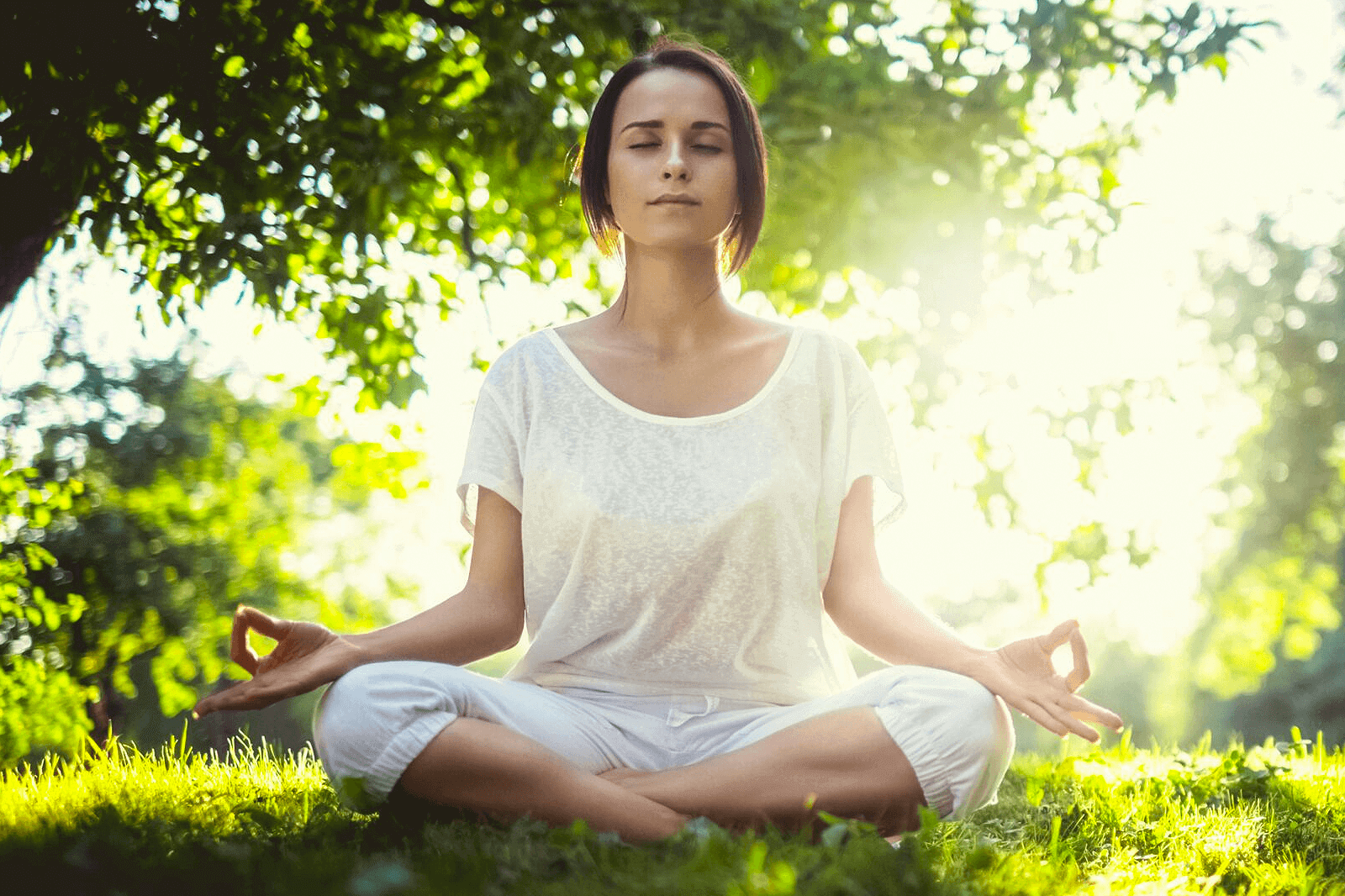
Short answer: When stress hits, slow your breathing, relax your shoulders and jaw, and pick one small next step. A few slow breaths can help your body feel calmer in less than a minute, and a clear next step can help your mind stop racing. You do not need to fix everything at once. You only need a simple way to steady yourself right now.
Stress can arrive fast. A difficult email, a busy morning, a hard conversation, or too many tasks at once can leave your heart beating faster, your breath short, and your thoughts racing. That is your body getting ready to act, but when the feeling stays high, it is hard to think clearly. The good news is that a few small, practical steps can help you calm down quickly, wherever you are.
How can slow breathing help you calm down quickly?
Breathing is the fastest way to send a calm signal to your body. When we are stressed, breathing often becomes fast and shallow, with most of the movement in the chest. Slow, steady breathing does the opposite. It helps your heart rate settle, and it gives your mind something simple to focus on.
Try this. Sit or stand comfortably, and breathe in slowly through your nose for a count of four. Breathe out slowly through your mouth for a count of six. Keep your shoulders relaxed as you breathe. Repeat this four times. Do not force the breath, and do not hold it if it feels uncomfortable. A longer, gentle breath out is more helpful than a deep, forced breath in. For more simple breathing steps, the NHS breathing exercises for stress page is a good place to look.
What is box breathing, and how do I do it?
Box breathing is a simple pattern that many people find easy to remember in a stressful moment. Breathe in for four counts, hold for four counts, breathe out for four counts, and hold for four counts. Then repeat. Try four rounds, which takes about one minute. You can count in your head, or follow the steps in our Box Breathing guide, which walks you through the timing.
Box breathing works well because it gives your mind a clear task. Instead of going over the same worry again and again, you focus on the count and the breath. If four counts feel too long, start with three. If your mind wanders, gently bring it back to the next count. The aim is not perfect breathing. The aim is a slower, steadier rhythm.
How does relaxing your shoulders and jaw help stress?
Stress often shows up in the body before we notice it in the mind. Your shoulders may rise toward your ears, your jaw may clench, and your hands may tighten. These small tensions add up, and they can make you feel more on edge. A quick body check can help you let some of that tension go.
Try this now. Roll your shoulders up, back, and down, and let them drop away from your ears. Open your mouth a little, and let your jaw relax. Unclench your hands, and let your fingers spread out. Take one slow breath, and notice how your body feels. You may be surprised how much tension you were holding without realising it. If you want more ways to ease tension, the Mayo Clinic relaxation techniques page explains a few simple steps.
What is one small next step I can take when stress hits?
Stress often feels bigger when a problem looks too large to solve. Your mind may jump from one task to another, and you may feel stuck. Choosing one small next step can break that feeling. Ask yourself: what is the smallest useful thing I can do next?
That step might be replying to one message, writing a short list, making a cup of tea, or stepping outside for five minutes. Write the step down if it helps, and do only that one thing. When it is done, choose the next small step. Small, clear actions give you a sense of progress, and progress helps stress feel more manageable.
What small habits make stress easier over time?
Quick calm-down steps help in the moment, but daily habits make stress easier to handle over time. A short morning stretch can help you start the day with less tension in your body. Our Morning Stretches guide shows a gentle routine you can do in a few minutes. A short walk at lunch, regular meal times, and enough sleep also help, because a tired body feels stress more strongly.
It also helps to notice what sets your stress off. Is it a full inbox, a certain time of day, or too little time between tasks? You may be able to change the cause, but you can often change how you meet it. Leaving a small gap between tasks, turning off extra notifications, or planning one calm break in your day can make a real difference.
When should I ask for extra support with stress?
Everyone feels stressed from time to time, but ongoing stress that affects your sleep, mood, appetite, or daily life deserves extra support. If stress feels hard to manage for many weeks, or if you often feel low, anxious, or unable to cope, speak to your doctor or a qualified health professional. They can help you understand what is happening and find the right support for you.
You cannot always stop stress from arriving, but you can learn to meet it more calmly. Slow your breathing, relax your shoulders, and take one small step. Keep the steps simple, practise them when you are calm, and they will be easier to remember when you need them most. If you want a simple place to begin, our Start Here page brings the first steps together.
Frequently asked questions
What is the fastest way to calm down when stress hits?
Slow your breathing first. Breathe in for four counts and out for six, relax your shoulders and jaw, and pick one small next step. Most people feel calmer in under a minute.
How do I do box breathing?
Breathe in for four counts, hold for four, breathe out for four, and hold for four. Repeat four times. If four counts feel too long, start with three.
Can slow breathing help stress quickly?
Yes. Slow, steady breathing sends a calm signal to your body and helps your heart rate settle. In for four and out for six, four times, is a good place to start.
What should I do if stress keeps coming back?
Notice what sets it off, leave small gaps between tasks, and build in one calm break each day. If stress keeps affecting your sleep, mood or daily life for weeks, speak to your doctor.
When should I see a doctor about stress?
Speak to a doctor if stress lasts many weeks, or if you often feel low, anxious or unable to cope. A doctor or a qualified health professional can help you find the right support.
For education only, not medical advice.
Leave a Reply